










True No.1 Dehumidifier Brand
True No.1 Dehumidifier Brand
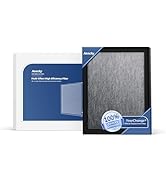
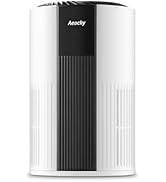
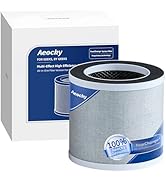
AEOCKY Air Purifier
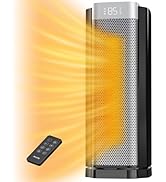
AEOCKY Space Heater
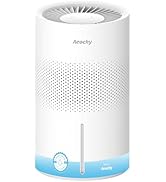
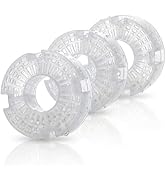
AEOCKY Humidifier and Filters

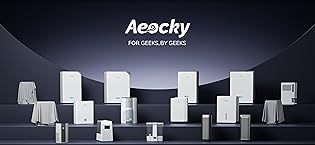
For Geeks, By Geeks.
Precision components. Low-wear materials.
Data-driven design. Extreme testing.
Years of reliable operation.
NO compromise on quality.
NO shortcuts. NO flashy trends.
AEOCKY
Every innovation sets a new standard in home environmental tech.
All-season Dominator by Stackline-certified US NO.1 Dehumidifier Brand


Hardcore Dehumidifier Buying Guide: Learn More to Avoid the "Idiot Tax"
- Q1: The Ultimate Showdown: Which technology wins?
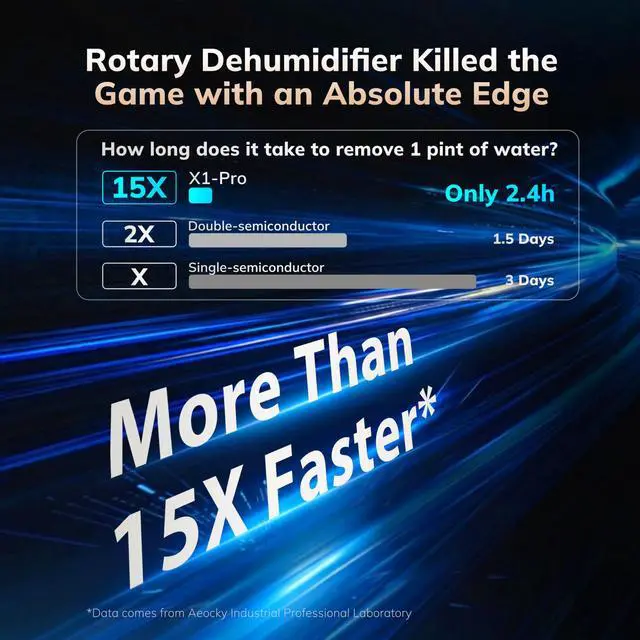
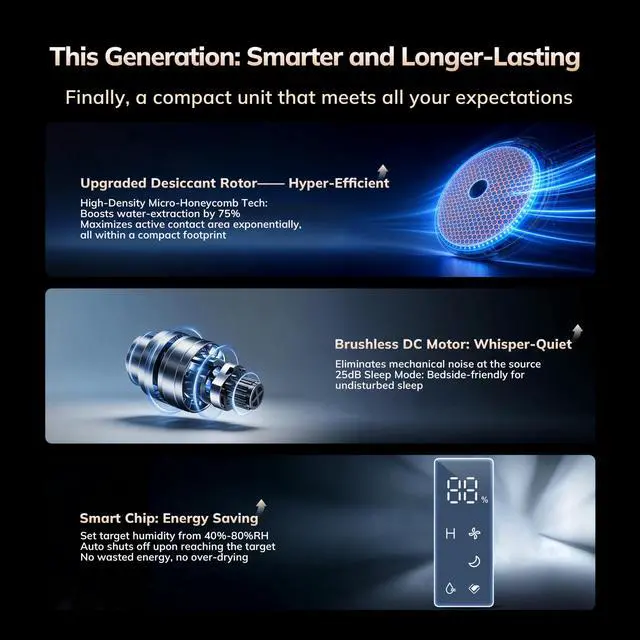
- A1:a. Traditional Compressor (The AC's "Cousin"): Principle: Uses a refrigerant cycle to cool air below its dew point, condensing the water vapor. Pros: Highly efficient and powerful in warm, humid environments (like large homes in summer). Considerations: In cooler spaces (like winter rooms or chilly basements), they naturally frost over and must pause to defrost. They are also generally bulkier and best suited for stationary use. b. Traditional Peltier(The "Toy"): Principle: Uses the Peltier effect to create hot and cold sides for condensation. Pros: Highly affordable, ultra-compact, and nearly silent. Drawbacks: Extremely low efficiency. It is only effective in tiny, enclosed spaces (like closets); in a standard room, its impact is negligible. c. Desiccant (The Tireless "Water Sponge"): Principle: Instead of cooling, it uses a zeolite molecular sieve to physically adsorb humidity from the air, then applies heat to extract and collect the water. Pros: Unaffected by cold temperatures and never frosts. It can also bypass typical dew-point limits to achieve ultra-low humidity levels. Ideal Scenarios: Highly versatile, making it the absolute best choice for compact, chilly, or consistently damp environments.
- Q2: Where does the X1-Pro shine? (Note: It's not for massive basements!)
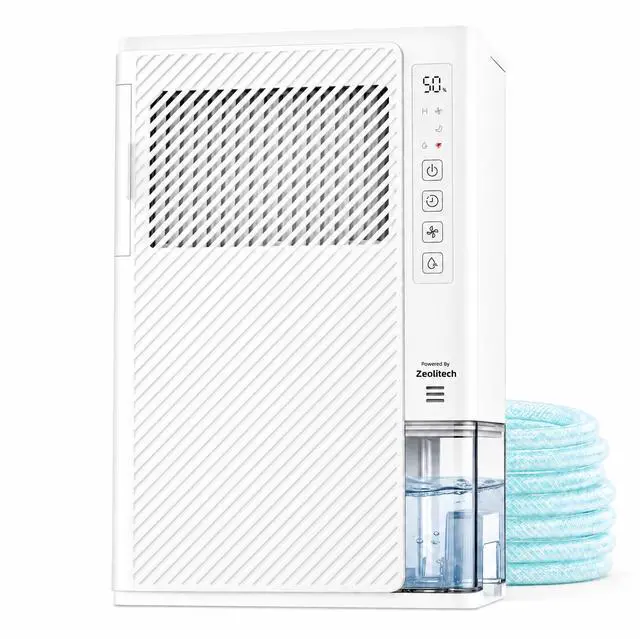
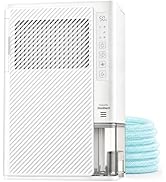
- A2: For oversized spaces, we highly recommend our compressor dehumidifiers—get the highest capacity your budget allows. However, if you are dealing with compact spaces that require rapid, frostless drying, ultimate quietness, or high mobility, the X1-Pro is the undisputed king.It packs powerful dehumidification into an ultra-compact frame (11.8" x 6.3" x 15.4", 8.8 lbs). You will be hard-pressed to find a stronger performer in its size class.Ideal Scenarios: RVs, cabins, stairwells, attics, closets, laundry rooms, and bedrooms.Operating Temp: 34°F–95°F. The core components never frost over, making it a relentless 24/7 powerhouse (though the collected water in the tank will naturally turn to ice below 34°F).
- Q3: Is 340W a power hog? Let's talk real energy efficiency.
- A3: Don't let the X1-Pro's 340W rating worry you. Here is how the math breaks down: Vs. Peltier: An 80W Peltier might seem less expensive to run, but the X1-Pro removes over 10 times more water (up to 80 oz/day), meaning it uses far less electricity per ounce of water extracted. Crucially, the X1-Pro features a smart hygrostat that puts the unit into standby once your target humidity is reached. Because low-efficiency Peltier units struggle to reach the target, they often run 24/7, constantly drawing power for very little result. Vs. Compressors: Compressors are highly efficient in warm environments (like 85°F). However, when temperatures drop below 65°F, they naturally frost over and must pause to defrost, which temporarily lowers their overall efficiency. The X1-Pro draws 340W because it uses thermal energy to heat its zeolite core. This makes it immune to cold temperatures, ensuring consistent, frostless operation at full capacity. For chilly or compact spaces, this reliable performance is far more valuable than a low wattage rating on paper.
- Q4: Smell a slight odor or feel warm air? Don't panic—it's science!
- A4: About the Odor: The zeolite core adsorbs humidity and airborne particles at room temperature. When heated to expel water into the tank, it can emit a "baking" smell. This is completely normal during the first use or after long-term storage—just like a "new car smell," it fades over time. If you are sensitive to it, simply ventilate the room briefly. About the Warm Air: Heating the desiccant naturally releases warm air. If this slight heat warms up a small room too much, just place the unit further away and allow some ventilation. This isn't a malfunction; it's the normal thermal byproduct of the machine running at peak capacity! (Note: Due to secureity reasons, this model does not have a power-outage memory function).
- Summary: The Ultimate Buying Guide.
- Choose a Compressor for: Large spaces. They are an excellent, highly efficient choice for large, warm areas. Choose a Peltier for: Don't recommend them. Though small and quiet, their real-world efficiency is poor. Compact desiccant dehumidifiers are a much more effective alternative. Choose the X1-Pro for: Compact spaces needing ultra-quiet operation, and cooler environments prone to frost. For small or chilly areas, the compact, quiet, and reliably powerful X1-Pro is your smartest choice!
True No.1 Dehumidifier Brand
True No.1 Dehumidifier Brand
AEOCKY Air Purifier
AEOCKY Space Heater
AEOCKY Humidifier and Filters
For Geeks, By Geeks.
Precision components. Low-wear materials.
Data-driven design. Extreme testing.
Years of reliable operation.
NO compromise on quality.
NO shortcuts. NO flashy trends.
AEOCKY
Every innovation sets a new standard in home environmental tech.
All-season Dominator by Stackline-certified US NO.1 Dehumidifier Brand


Hardcore Dehumidifier Buying Guide: Learn More to Avoid the "Idiot Tax"
- Q1: The Ultimate Showdown: Which technology wins?
- A1:a. Traditional Compressor (The AC's "Cousin"): Principle: Uses a refrigerant cycle to cool air below its dew point, condensing the water vapor. Pros: Highly efficient and powerful in warm, humid environments (like large homes in summer). Considerations: In cooler spaces (like winter rooms or chilly basements), they naturally frost over and must pause to defrost. They are also generally bulkier and best suited for stationary use. b. Traditional Peltier(The "Toy"): Principle: Uses the Peltier effect to create hot and cold sides for condensation. Pros: Highly affordable, ultra-compact, and nearly silent. Drawbacks: Extremely low efficiency. It is only effective in tiny, enclosed spaces (like closets); in a standard room, its impact is negligible. c. Desiccant (The Tireless "Water Sponge"): Principle: Instead of cooling, it uses a zeolite molecular sieve to physically adsorb humidity from the air, then applies heat to extract and collect the water. Pros: Unaffected by cold temperatures and never frosts. It can also bypass typical dew-point limits to achieve ultra-low humidity levels. Ideal Scenarios: Highly versatile, making it the absolute best choice for compact, chilly, or consistently damp environments.
- Q2: Where does the X1-Pro shine? (Note: It's not for massive basements!)
- A2: For oversized spaces, we highly recommend our compressor dehumidifiers—get the highest capacity your budget allows. However, if you are dealing with compact spaces that require rapid, frostless drying, ultimate quietness, or high mobility, the X1-Pro is the undisputed king.It packs powerful dehumidification into an ultra-compact frame (11.8" x 6.3" x 15.4", 8.8 lbs). You will be hard-pressed to find a stronger performer in its size class.Ideal Scenarios: RVs, cabins, stairwells, attics, closets, laundry rooms, and bedrooms.Operating Temp: 34°F–95°F. The core components never frost over, making it a relentless 24/7 powerhouse (though the collected water in the tank will naturally turn to ice below 34°F).
- Q3: Is 340W a power hog? Let's talk real energy efficiency.
- A3: Don't let the X1-Pro's 340W rating worry you. Here is how the math breaks down: Vs. Peltier: An 80W Peltier might seem less expensive to run, but the X1-Pro removes over 10 times more water (up to 80 oz/day), meaning it uses far less electricity per ounce of water extracted. Crucially, the X1-Pro features a smart hygrostat that puts the unit into standby once your target humidity is reached. Because low-efficiency Peltier units struggle to reach the target, they often run 24/7, constantly drawing power for very little result. Vs. Compressors: Compressors are highly efficient in warm environments (like 85°F). However, when temperatures drop below 65°F, they naturally frost over and must pause to defrost, which temporarily lowers their overall efficiency. The X1-Pro draws 340W because it uses thermal energy to heat its zeolite core. This makes it immune to cold temperatures, ensuring consistent, frostless operation at full capacity. For chilly or compact spaces, this reliable performance is far more valuable than a low wattage rating on paper.
- Q4: Smell a slight odor or feel warm air? Don't panic—it's science!
- A4: About the Odor: The zeolite core adsorbs humidity and airborne particles at room temperature. When heated to expel water into the tank, it can emit a "baking" smell. This is completely normal during the first use or after long-term storage—just like a "new car smell," it fades over time. If you are sensitive to it, simply ventilate the room briefly. About the Warm Air: Heating the desiccant naturally releases warm air. If this slight heat warms up a small room too much, just place the unit further away and allow some ventilation. This isn't a malfunction; it's the normal thermal byproduct of the machine running at peak capacity! (Note: Due to secureity reasons, this model does not have a power-outage memory function).
- Summary: The Ultimate Buying Guide.
- Choose a Compressor for: Large spaces. They are an excellent, highly efficient choice for large, warm areas. Choose a Peltier for: Don't recommend them. Though small and quiet, their real-world efficiency is poor. Compact desiccant dehumidifiers are a much more effective alternative. Choose the X1-Pro for: Compact spaces needing ultra-quiet operation, and cooler environments prone to frost. For small or chilly areas, the compact, quiet, and reliably powerful X1-Pro is your smartest choice!